
Choosing the best dog food by age is one of the most important steps in supporting your dog’s long-term health. Puppies, adult dogs, and senior dogs all have different nutritional needs, and feeding the wrong formula can affect energy levels, digestion, weight, joint health, and overall wellness.
This complete guide explains how your dog’s nutritional needs change over time and how to choose the best food for every life stage.
Whether you have a growing puppy, an active adult dog, or a senior companion, proper nutrition can help your dog live a healthier and happier life.
Why Dog Food by Age Matters
Dogs require different nutrients throughout their lives.
A puppy needs food that supports:
- Rapid growth
- Brain development
- Bone formation
- Muscle development
An adult dog requires balanced nutrition to maintain:
- Healthy weight
- Energy levels
- Digestion
- Lean muscle
Senior dogs often need formulas that support:
- Joint health
- Mobility
- Digestion
- Healthy aging
Choosing age-appropriate nutrition helps prevent many common health issues later in life.
.
Best Puppy Food

Puppies grow quickly and require nutrient-dense food to support healthy development.
The best puppy food contains:
- High-quality protein
- Healthy fats
- DHA for brain development
- Balanced calcium and phosphorus
- Essential vitamins and minerals
Important Nutrients for Puppies
Protein
Protein helps build:
- Muscles
- Organs
- Tissues
Excellent protein sources include chicken, turkey, salmon, and beef.
DHA and Omega Fatty Acids
DHA supports:
- Brain development
- Vision
- Nervous system health
Fish oil is one of the best natural sources.
Calcium and Phosphorus
These nutrients help support healthy:
- Bone growth
- Teeth development
- Joint structure
Balanced levels are especially important for large breed puppies.
Puppy Feeding Tips
Puppies usually need multiple meals per day.
General Feeding Schedule
- 8–12 weeks: 4 meals daily
- 3–6 months: 3 meals daily
- 6–12 months: 2 meals daily
Avoid overfeeding because excessive weight gain may increase joint stress.
Best Adult Dog Food
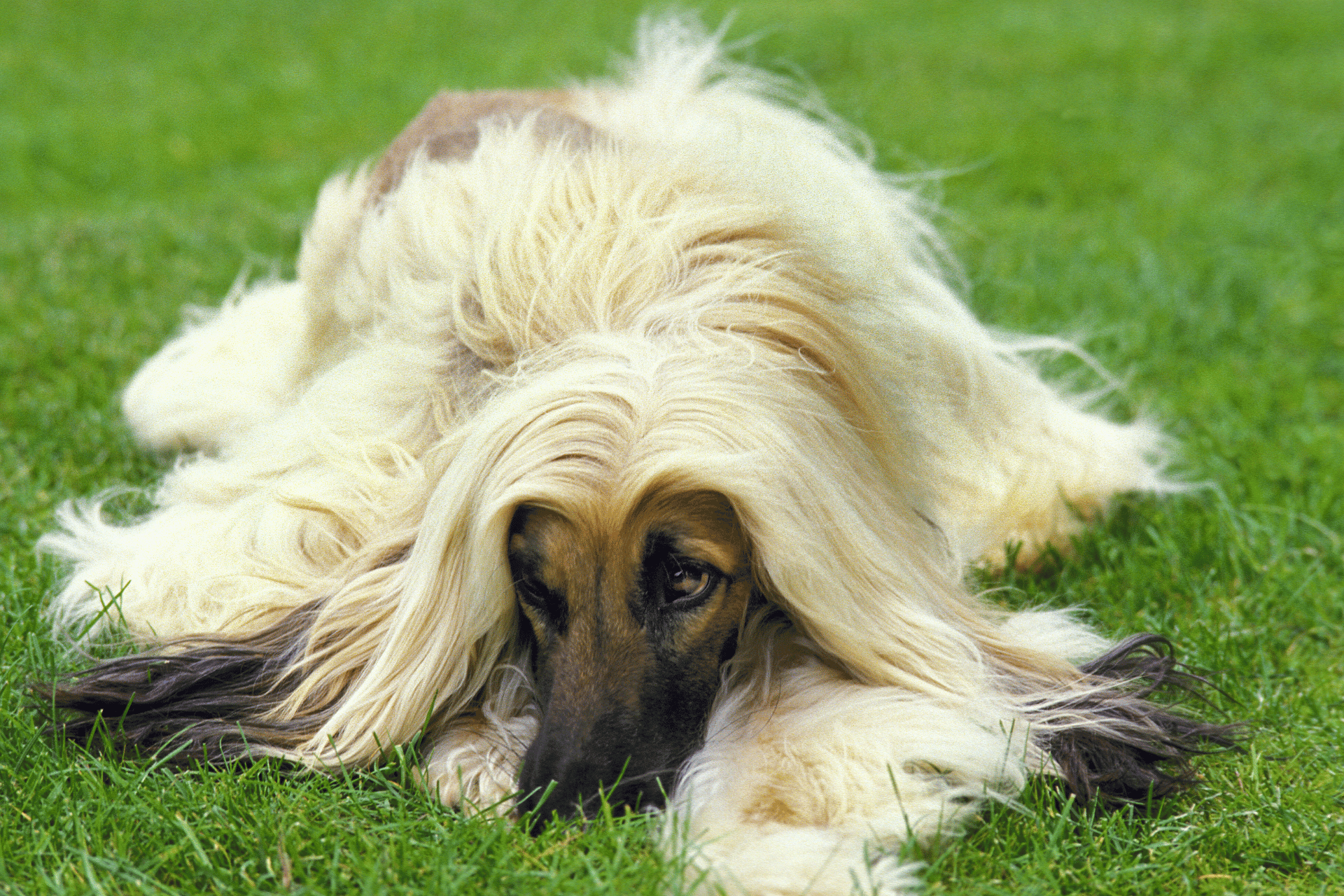
Adult dogs require balanced nutrition that supports daily energy and long-term wellness.
The best adult dog food should include:
- Lean protein
- Healthy fats
- Digestible carbohydrates
- Essential nutrients
- Proper calorie balance
Activity level plays a major role in determining calorie needs.
Highly active dogs often require more calories and protein than less active dogs.
Key Nutrients for Adult Dogs
Protein for Muscle Maintenance
Protein helps adult dogs maintain:
- Lean muscle
- Immune health
- Healthy metabolism
Healthy Fats for Energy
Healthy fats provide long-lasting energy and support:
- Skin hydration
- Coat shine
- Brain function
Fiber for Digestion
Fiber supports healthy digestion and stool quality.
Good fiber sources include:
- Pumpkin
- Sweet potatoes
- Brown rice
Common Adult Dog Nutrition Mistakes
Many owners accidentally overfeed adult dogs.
Common mistakes include:
- Excess treats
- Table scraps
- Poor portion control
- Low-quality food choices
Obesity is one of the most common health problems in household dogs today.
Best Senior Dog Food
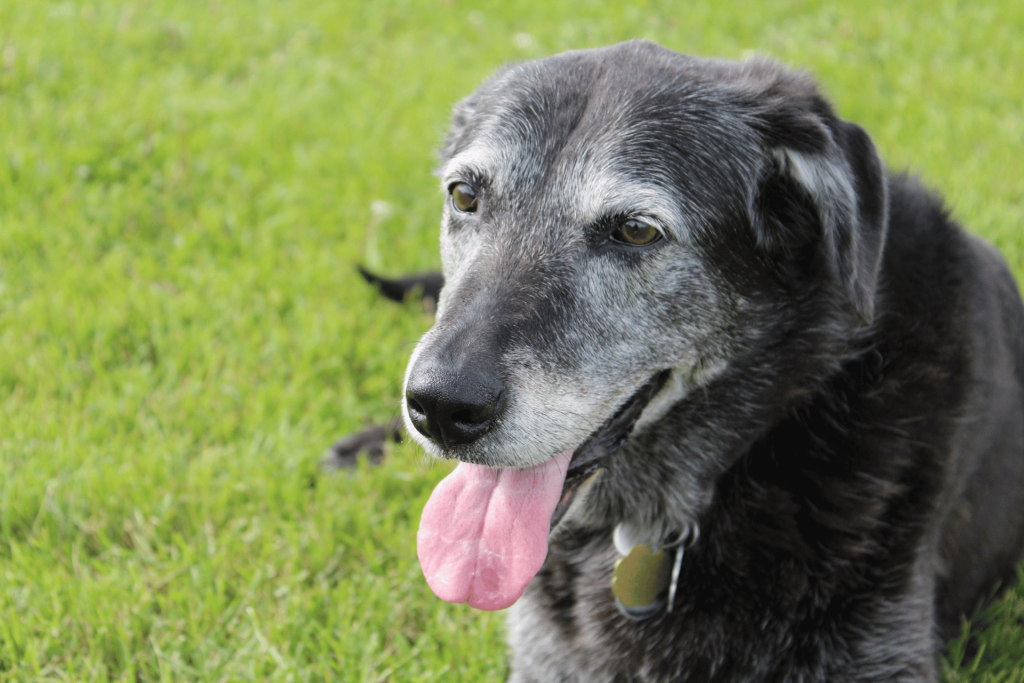
Senior dogs often develop different nutritional needs as metabolism and activity levels change.
The best senior dog food focuses on:
- Joint support
- Easier digestion
- Weight management
- Cognitive health
- Muscle preservation
Older dogs may also benefit from softer food textures.
.
Important Nutrients for Senior Dogs
Joint Support Ingredients
Senior formulas often include:
- Glucosamine
- Chondroitin
- Omega-3 fatty acids
These nutrients help support mobility and comfort.
Lower Calorie Content
Older dogs are often less active and may gain weight more easily.
Balanced calorie intake helps reduce obesity-related problems.
Easily Digestible Protein
Senior dogs still need quality protein to preserve muscle mass.
Digestible protein sources help support healthy aging.
Signs Your Dog Needs a Different Food
Your dog’s current food may not meet their needs if you notice:
- Weight gain
- Low energy
- Digestive problems
- Itchy skin
- Dull coat
- Joint stiffness
- Muscle loss
Adjusting nutrition based on age can significantly improve overall health.
How to Transition Dog Food Safely
Changing food too quickly may upset your dog’s digestion.
A slow transition is recommended:
Days 1–2
75% old food + 25% new food
Days 3–4
50% old food + 50% new food
Days 5–6
25% old food + 75% new food
Day 7
100% new food
Gradual transitions help reduce digestive stress.
Frequently Asked Questions About Dog Food by Age
When should puppies switch to adult dog food?
Most dogs transition to adult food between 12 and 18 months, depending on breed size.
Do senior dogs need special food?
Many senior dogs benefit from foods designed to support joints, digestion, and healthy weight management.
Can adult dogs eat puppy food?
Puppy food is usually too calorie-dense for adult dogs and may contribute to weight gain.
Final Thoughts on Dog Food by Age
Choosing the best dog food by age helps support your dog’s health at every stage of life.
Puppies need nutrient-rich formulas for growth, adult dogs require balanced maintenance nutrition, and senior dogs benefit from foods that support healthy aging and mobility.
Understanding how nutritional needs change over time allows you to make smarter decisions and improve your dog’s quality of life for years to come.
The right food today can help your dog stay healthier, more active, and happier tomorrow.
Facebook
Pinterest
X
Email
