
Choosing the right Dog Food Types can have a major impact on your dog’s health, energy, digestion, and overall quality of life. From dry kibble and wet food to fresh, raw, and grain-free diets, today’s pet owners have more options than ever before.
But not every dog food works the same for every pet. The best choice depends on your dog’s age, breed, activity level, allergies, digestion, and nutritional needs.
In this complete guide to Dog Food Types, you’ll discover the pros and cons of the most popular feeding options, learn which ingredients matter most, and find out how to choose the healthiest food for your dog. Whether you are considering dry dog food, fresh meals, raw diets, or grain-free alternatives, this guide will help you make a smarter and healthier decision for your pet.
Why Choosing the Right Dog Food Type Matters
Your dog’s food affects nearly every aspect of their health, including:
- Energy levels
- Digestion
- Skin and coat quality
- Weight management
- Joint health
- Immune system support
- Lifespan and overall wellness
Different food types offer different nutritional benefits, moisture levels, ingredient quality, and digestibility.
Understanding these differences is the first step toward improving your dog’s health naturally.
Dry Dog Food (Kibble)
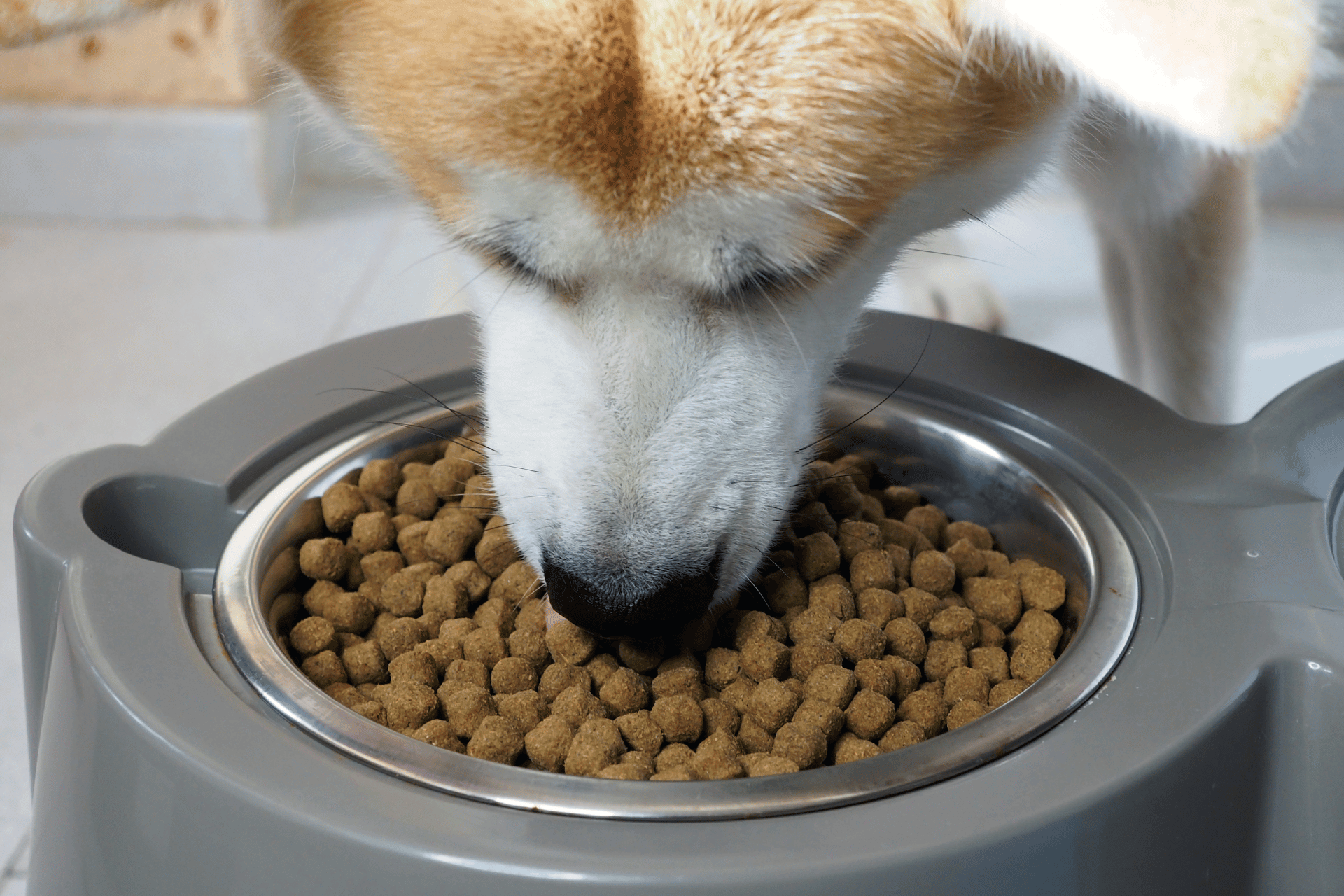
Dry dog food, also known as kibble, is the most widely used dog food type worldwide.
It is affordable, convenient, and available in thousands of formulas designed for specific breeds, ages, and health conditions.
Benefits of Dry Dog Food
- Easy to store
- Longer shelf life
- More affordable
- Convenient portion control
- Helps reduce plaque buildup
Many high-quality kibble brands now include premium proteins, probiotics, and omega fatty acids.
Drawbacks of Dry Dog Food
Not all kibble is created equal.
Low-quality dry food may contain:
- Artificial preservatives
- Fillers
- Excess carbohydrates
- Meat by-products
- Artificial colors
Some dry foods also contain lower moisture levels, which may not be ideal for dogs that struggle with hydration.
Best For
- Healthy adult dogs
- Multi-dog households
- Budget-conscious owners
- Dogs with healthy teeth and digestion
Wet Dog Food
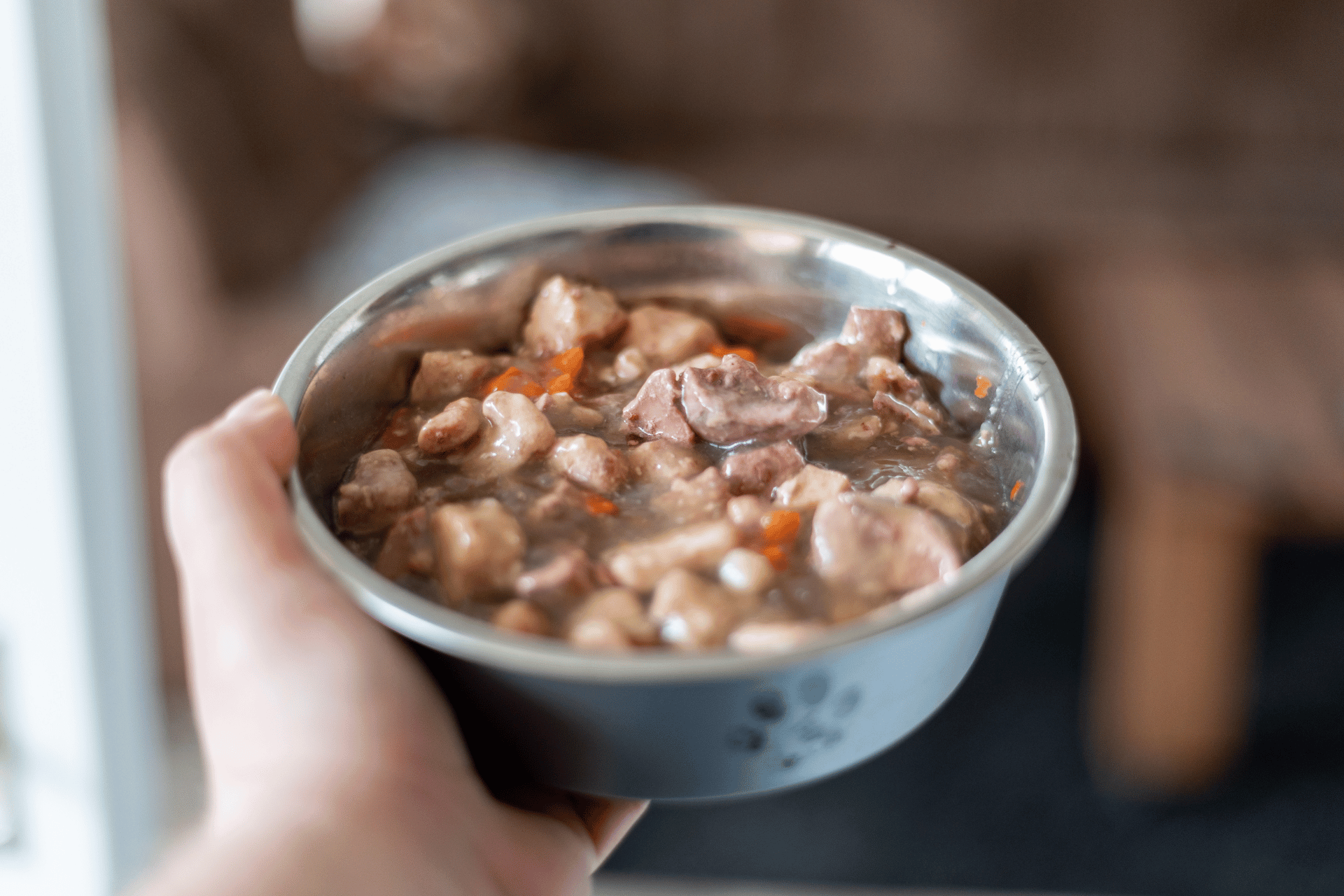
Wet dog food contains significantly more moisture than dry kibble and is often more appealing to picky eaters.
It typically comes in cans, trays, or pouches.
Benefits of Wet Dog Food
- Better hydration
- Softer texture
- Easier to chew
- Strong aroma and flavor
- Helpful for senior dogs
Wet food can also help dogs with reduced appetite or dental problems.
Drawbacks of Wet Dog Food
- Higher cost
- Shorter shelf life once opened
- Can contribute to plaque buildup
- Less convenient for storage
Many pet owners combine wet and dry food to create balanced meals.
Best For
- Senior dogs
- Small breeds
- Picky eaters
- Dogs with dental issues
Fresh Dog Food
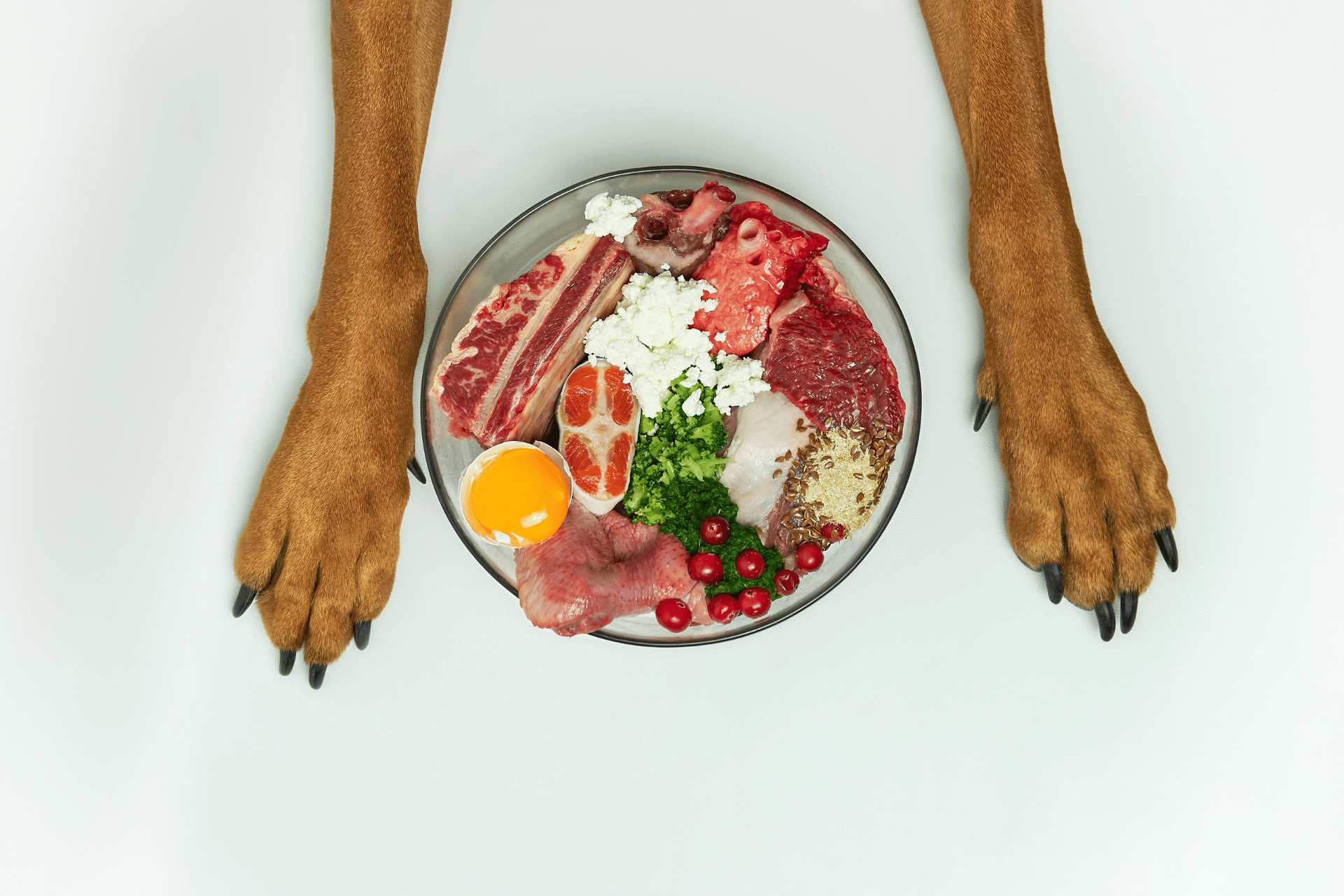
Fresh dog food has become one of the fastest-growing trends in pet nutrition.
These meals are usually minimally processed and made with whole-food ingredients such as real meat, vegetables, and healthy fats.
Benefits of Fresh Dog Food
- Higher ingredient quality
- Better digestibility
- Fewer preservatives
- Improved taste
- High protein content
Many owners report improvements in:
- Coat shine
- Energy levels
- Digestion
- Stool quality
Drawbacks of Fresh Dog Food
- More expensive
- Requires refrigeration
- Shorter shelf life
- Subscription services may be costly
Fresh diets can be an excellent option for dogs with food sensitivities.
Best For
- Dogs with allergies
- Sensitive stomachs
- Health-conscious owners
- Picky eaters
Raw Dog Food Diets
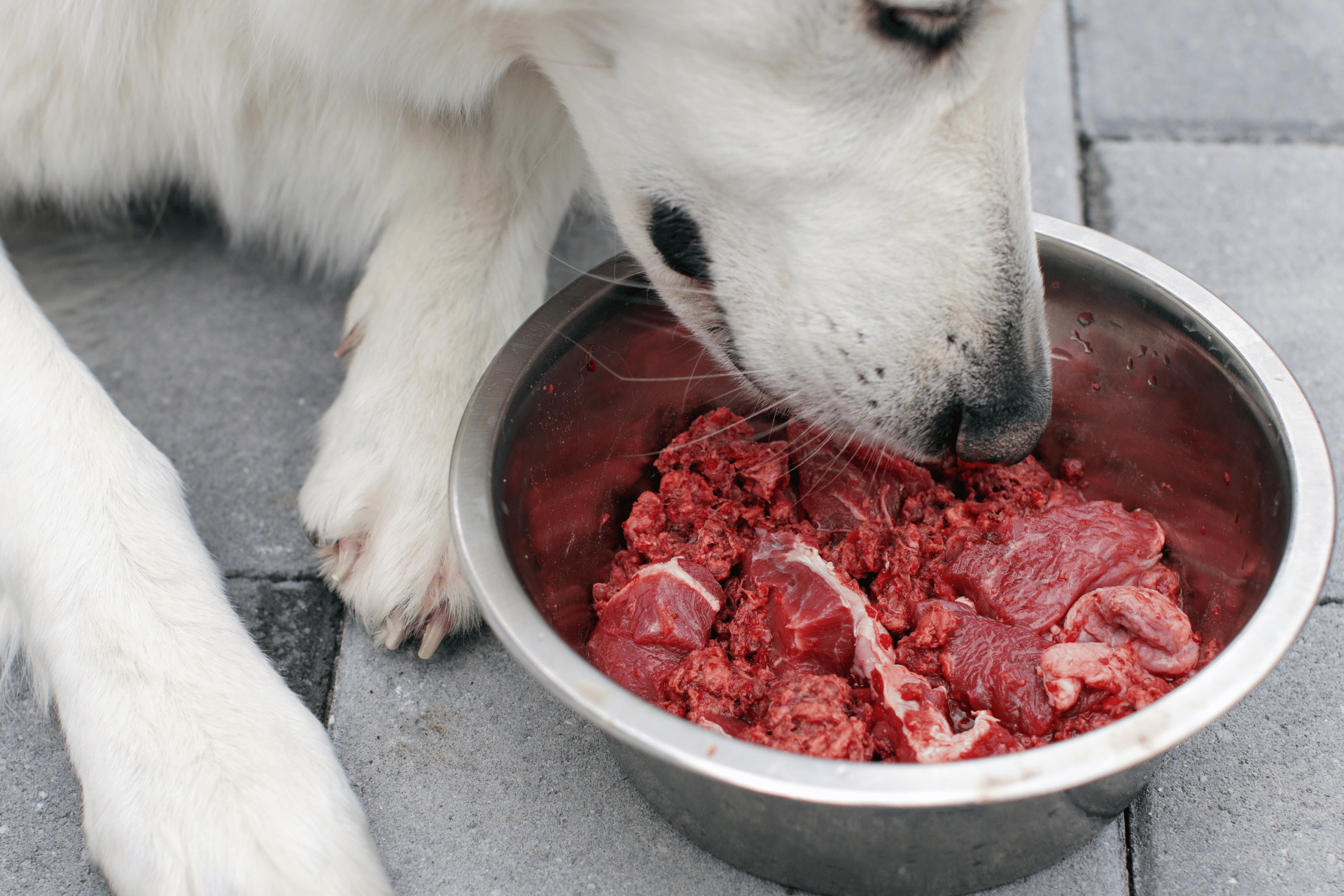
Raw feeding focuses on uncooked meats, bones, organs, and natural ingredients.
Supporters believe it mimics the ancestral diet of wild dogs.
Benefits of Raw Dog Food
- High protein intake
- Fewer processed ingredients
- Potential coat improvements
- Lean muscle support
Some owners also report reduced shedding and healthier skin.
Risks of Raw Dog Food
Raw diets may carry risks if not properly balanced.
Potential concerns include:
- Bacterial contamination
- Nutritional deficiencies
- Bone hazards
- Food handling safety
Veterinary supervision is strongly recommended before switching to raw feeding.
Best For
- Experienced pet owners
- Dogs with specific dietary needs
- Owners willing to manage meal preparation carefully
Grain-Free Dog Food
Grain-free dog food removes grains such as wheat, corn, rice, and barley from the formula.
Instead, these foods often use ingredients like:
- Sweet potatoes
- Lentils
- Peas
- Chickpeas
Benefits of Grain-Free Dog Food
Some dogs may benefit from grain-free diets if they have:
- Grain sensitivities
- Allergies
- Digestive problems
- Skin irritation
Important Considerations
Grain-free does not automatically mean healthier.
In some cases, poor-quality grain-free foods may replace grains with excessive starches or lower-quality fillers.
Ingredient quality always matters more than marketing claims.
Best For
- Dogs with grain sensitivities
- Dogs with skin allergies
- Certain digestive conditions
Freeze-Dried and Air-Dried Dog Food
Freeze-dried and air-dried dog foods combine convenience with higher ingredient quality.
These foods remove moisture while preserving nutrients.
Benefits
- Lightweight storage
- High protein concentration
- Minimal processing
- Long shelf life
Drawbacks
- Higher price
- Smaller serving sizes
- Not always suitable for every budget
These premium foods are growing in popularity among health-focused pet owners.
Which Dog Food Type Is Best?
There is no single perfect dog food for every dog.
The best option depends on factors such as:
- Age
- Breed
- Activity level
- Allergies
- Digestive health
- Budget
- Personal feeding preferences
Some dogs thrive on high-quality kibble, while others do better with fresh or wet food.
The key is choosing nutritionally balanced food made with high-quality ingredients.
Signs Your Dog’s Food Is Working
A healthy dog diet usually results in:
- Healthy weight
- Consistent energy
- Shiny coat
- Healthy digestion
- Firm stools
- Minimal itching
- Strong appetite
Positive changes often appear within a few weeks after switching to better nutrition.
Common Dog Food Mistakes to Avoid
Many pet owners accidentally choose poor-quality food because of marketing claims.
Avoid these common mistakes:
- Choosing food based only on price
- Ignoring ingredient labels
- Overfeeding
- Switching foods too quickly
- Feeding excessive treats
- Assuming grain-free is always healthier
Learning how to evaluate dog food properly can dramatically improve your dog’s long-term health.
Final Thoughts on Dog Food Types
Understanding the differences between dry, wet, fresh, raw, and grain-free diets helps you make smarter choices for your pet.
The best dog food is one that:
- Meets your dog’s nutritional needs
- Uses high-quality ingredients
- Supports healthy digestion
- Fits your lifestyle and budget
- Helps your dog maintain long-term wellness
Every dog is unique, and finding the right food may require testing different options carefully.
With proper nutrition, your dog can enjoy better health, more energy, and a happier life.
Facebook
Pinterest
X
Email
