
Proper dog nutrition is the foundation of your dog’s long-term health, energy, and overall well-being. A balanced diet helps support strong muscles, healthy digestion, skin and coat health, immune function, joint support, and healthy weight management throughout every stage of life.
However, with so many dog food brands, ingredient labels, and marketing claims available today, understanding proper dog nutrition can quickly become overwhelming for many pet owners.
This complete guide to dog nutrition explains the essential nutrients dogs need, the healthiest ingredients to look for, common ingredients to avoid, and how to build a healthier diet for your puppy, adult dog, or senior dog.
Whether you want to improve your dog’s energy levels, digestion, coat quality, or overall health, proper nutrition plays a critical role in helping your dog live a longer, happier, and healthier life.
Why Dog Nutrition Matters
The food your dog eats directly affects nearly every part of their body.
Poor nutrition may contribute to:
- Low energy
- Digestive issues
- Obesity
- Skin allergies
- Weak immune function
- Joint problems
- Excessive shedding
- Chronic inflammation
A balanced diet helps dogs maintain:
- Healthy muscles
- Strong bones
- Healthy skin and coat
- Proper digestion
- Stable energy levels
- Healthy body weight
Good nutrition is one of the most important investments you can make in your dog’s health.
Protein: The Most Important Nutrient for Dogs
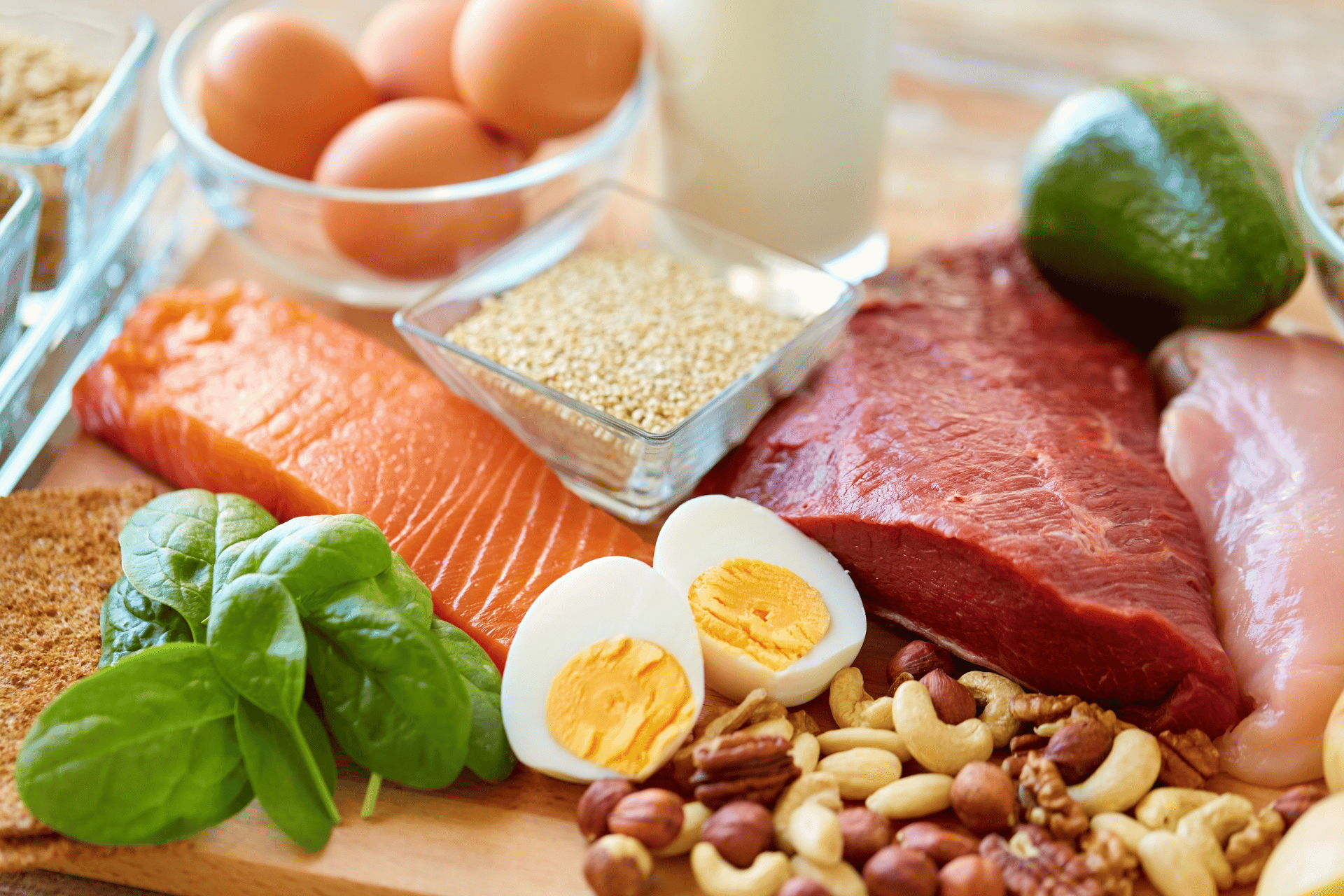
Protein is the foundation of a healthy canine diet.
Dogs use protein to:
- Build muscle
- Repair tissues
- Support immune health
- Maintain healthy skin and coat
High-quality protein sources include:
- Chicken
- Turkey
- Beef
- Salmon
- Lamb
- Eggs
When reading labels, look for real animal protein listed as the first ingredient.
Avoid foods that rely heavily on meat by-products or excessive fillers.
Healthy Fats for Dogs
Healthy fats provide concentrated energy and support many vital functions in the body.
Benefits of healthy fats include:
- Brain support
- Joint health
- Skin hydration
- Coat shine
- Reduced inflammation
Excellent fat sources include:
- Fish oil
- Salmon oil
- Chicken fat
- Flaxseed
Omega-3 and omega-6 fatty acids are especially important for healthy skin and coat maintenance.
Carbohydrates in Dog Nutrition
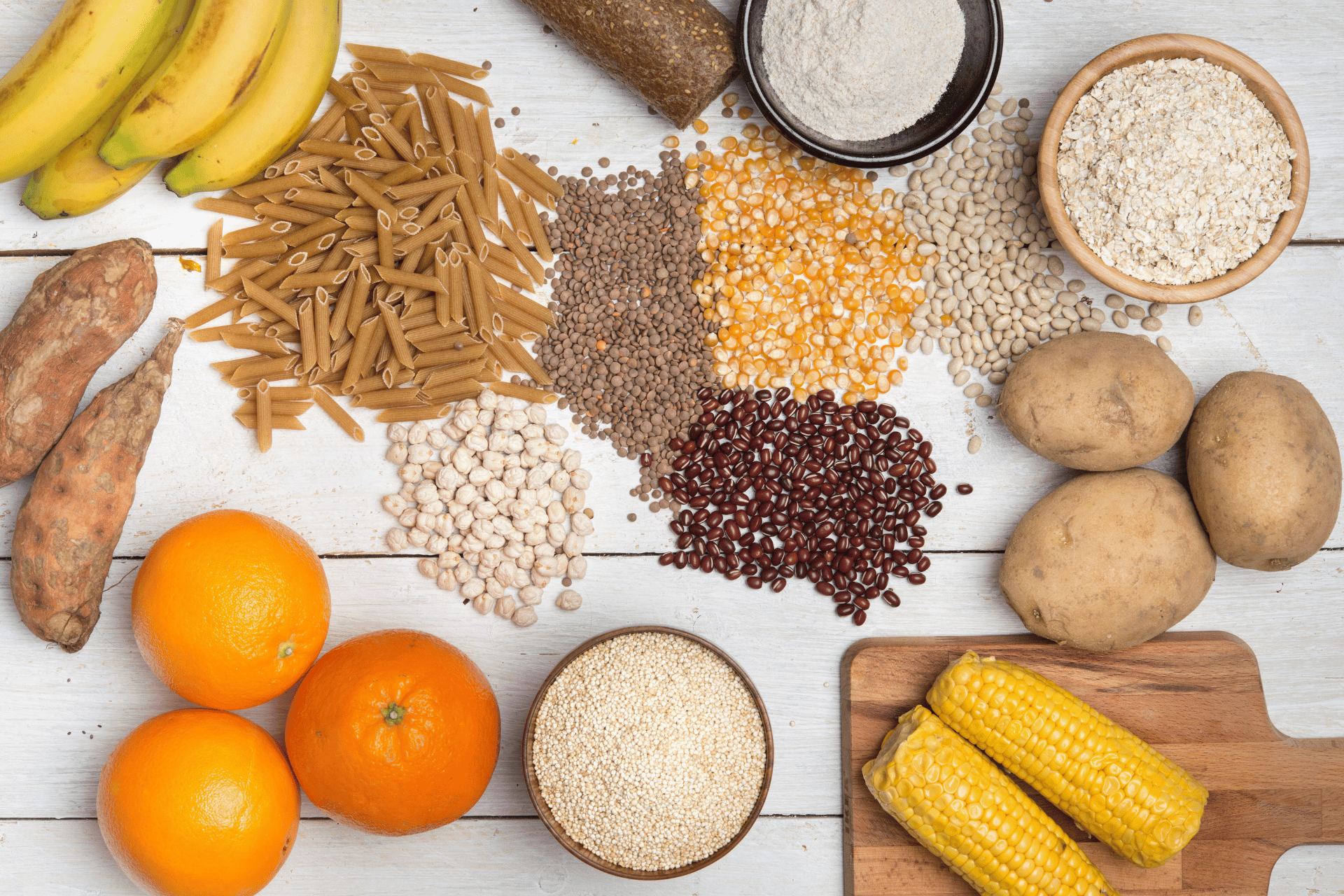
Dogs can benefit from digestible carbohydrates in moderation.
Healthy carbohydrate sources include:
- Sweet potatoes
- Pumpkin
- Brown rice
- Oats
- Peas
Carbohydrates help provide energy and support digestion when properly balanced.
However, low-quality dog foods often contain excessive fillers such as:
- Corn syrup
- White flour
- Artificial starches
These ingredients may contribute to obesity and poor digestion.
Essential Vitamins and Minerals for Dogs
Dogs require a variety of vitamins and minerals for proper body function.
Important nutrients include:
Vitamin A
Supports:
- Vision
- Skin health
- Immune function
Vitamin D
Helps regulate:
- Bone health
- Calcium absorption
Vitamin E
Acts as an antioxidant that helps protect cells from damage.
Zinc
Supports:
- Skin health
- Immune function
- Coat quality
Calcium and Phosphorus
Critical for:
- Bone development
- Teeth strength
- Muscle function
Balanced nutrition is essential because excessive supplementation may also cause problems.
Water: The Most Overlooked Nutrient
Water is one of the most important parts of dog nutrition.
Proper hydration helps support:
- Digestion
- Body temperature
- Organ function
- Nutrient absorption
Dogs should always have access to clean, fresh water throughout the day.
Wet food and fresh diets may help increase hydration for dogs that drink less water naturally.
Best Foods for a Healthy Dog Diet
Healthy dog diets often include:
- Real animal protein
- Healthy fats
- Digestible carbohydrates
- Natural vitamins and minerals
- Probiotics and fiber
Look for foods with simple, recognizable ingredients and minimal artificial additives.
Ingredients to Avoid in Dog Food
Some ingredients may negatively affect your dog’s health over time.
Try to avoid foods containing excessive amounts of:
- Artificial preservatives
- Artificial dyes
- Corn syrup
- Excess sugar
- Unnamed meat meals
- Excess fillers
Learning how to read ingredient labels is one of the best ways to improve your dog’s nutrition.
Dog Nutrition by Life Stage
Dogs have different nutritional needs depending on age and activity level.
Puppy Nutrition
Puppies require:
- Higher calories
- More protein
- DHA for brain development
- Balanced calcium levels
Adult Dog Nutrition
Adult dogs need balanced nutrition to maintain:
- Muscle mass
- Healthy weight
- Daily energy
Senior Dog Nutrition
Senior dogs often benefit from:
- Joint-support nutrients
- Lower calorie intake
- Easier digestion
- Omega fatty acids
Adjusting nutrition over time helps support long-term health.
Signs Your Dog Has a Healthy Diet
A well-balanced diet often results in:
- Healthy weight
- Bright eyes
- Strong appetite
- Healthy digestion
- Firm stools
- Shiny coat
- Consistent energy
Positive dietary changes may become noticeable within several weeks.
Common Dog Nutrition Mistakes
Many pet owners unintentionally make nutritional mistakes such as:
- Overfeeding
- Feeding too many treats
- Choosing food based only on marketing
- Ignoring portion sizes
- Switching foods too quickly
Small improvements in nutrition can create major health benefits over time.
Final Thoughts on Dog Nutrition
Understanding proper dog nutrition helps you make smarter choices for your pet’s long-term health.
A healthy diet built around high-quality protein, healthy fats, balanced nutrients, and proper portion control can help your dog thrive at every stage of life.
The best dog food is not always the most expensive — it’s the one that provides complete, balanced nutrition and supports your dog’s individual needs.
Better nutrition today can lead to a healthier, happier dog for years to come.
Facebook
Pinterest
X
Email
