
This complete Dog Food Guide will help you choose the best nutrition for your dog based on age, breed, activity level, and health needs. Choosing the right dog food is one of the most important decisions you can make as a pet owner because a healthy diet supports energy, digestion, skin, coat, immune function, weight management, and long-term wellness.
With thousands of dog food brands, ingredients, labels, and marketing claims available today, finding the healthiest option can quickly become overwhelming.
In this expert Dog Food Guide, you’ll learn which ingredients matter most, what foods to avoid, how to compare different dog food types, and how to choose the best diet for puppies, adult dogs, senior dogs, and picky eaters.
Why Your Dog’s Food Matters
Food is the foundation of your dog’s health.
Poor nutrition may contribute to:
- Digestive problems
- Skin allergies
- Low energy
- Obesity
- Joint pain
- Excessive shedding
- Weak immune function
- Chronic inflammation
High-quality dog food helps support:
- Lean muscle development
- Healthy skin and coat
- Strong bones and joints
- Brain health
- Healthy digestion
- Long-term wellness
The right nutrition can improve both your dog’s lifespan and quality of life.
The best dog food starts with high-quality ingredients and balanced nutrition.
A healthy dog food formula should contain:
High-Quality Protein
Protein is the most important nutrient in a dog’s diet.
Look for real animal proteins such as:
- Chicken
- Beef
- Turkey
- Salmon
- Lamb
Avoid foods where meat by-products or fillers are the primary ingredients.
Protein helps support:
- Muscle growth
- Tissue repair
- Immune health
- Healthy skin and coat
Healthy Fats
Healthy fats provide energy and support brain function, skin health, and coat shine.
Good fat sources include:
- Fish oil
- Salmon oil
- Chicken fat
- Flaxseed
Omega-3 and omega-6 fatty acids are especially important for reducing inflammation and supporting heart health.
Digestible Carbohydrates
Dogs benefit from healthy carbohydrates in moderation.
Better carbohydrate sources include:
- Sweet potatoes
- Brown rice
- Oats
- Pumpkin
- Peas
Avoid foods loaded with excessive corn syrup, artificial fillers, or low-quality grain by-products.
Essential Vitans and Mineralsmi
Balanced dog food should include nutrients that support overall wellness, including:
- Vitamin A
- Vitamin D
- Vitamin E
- Zinc
- Iron
- Calcium
- Probiotics
These nutrients help maintain healthy bones, skin, digestion, and immune function.
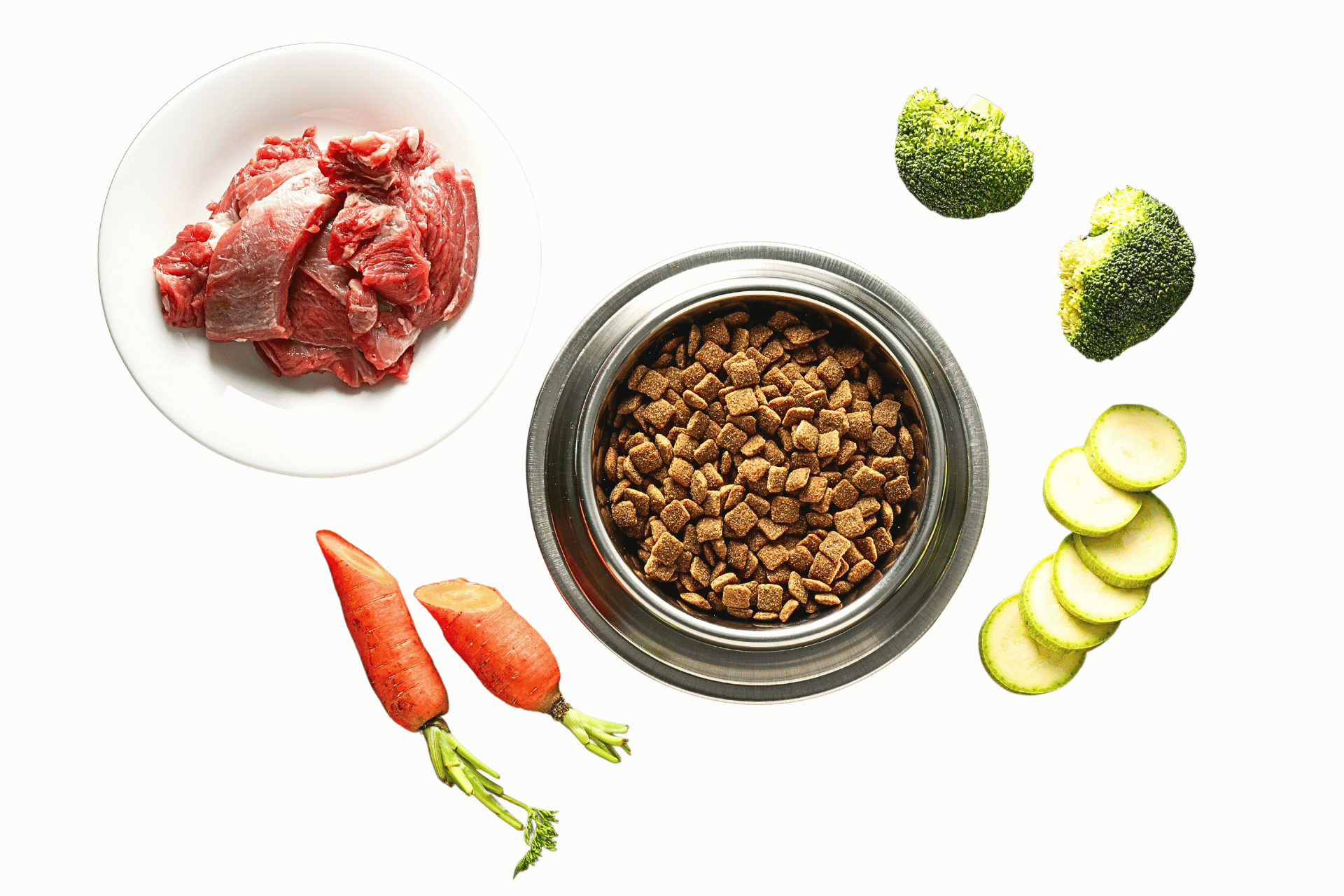
Understanding the different types of dog food can help you make a smarter choice for your pet.
Dry Dog Food (Kibble)
Dry food is the most common and affordable option.
Benefits
- Convenient storage
- Lower cost
- Longer shelf life
- Helps reduce plaque buildup
Drawbacks
- Lower moisture content
- Some brands use fillers
- Quality varies significantly
High-quality kibble can still be an excellent choice when made with premium ingredients.
Wet Dog Food
Wet food contains more moisture and is often more appealing to picky eaters.
Benefits
- Better hydration
- Easier to chew
- Strong flavor and aroma
- Helpful for senior dogs
Drawbacks
- More expensive
- Shorter shelf life after opening
- May contribute to dental buildup
Many pet owners combine wet and dry food for balanced feeding.
Fresh Dog Food
Fresh dog food has become increasingly popular due to its minimally processed ingredients.
Benefits
- Real whole-food ingredients
- High protein quality
- Better digestibility
- Fewer preservatives
Drawbacks
- Higher cost
- Requires refrigeration
- Shorter shelf life
Fresh food may benefit dogs with sensitivities or digestive issues.
Raw Dog Food Diets
Raw diets typically include uncooked meat, bones, and organs.
Potential Benefits
- High protein intake
- Fewer processed ingredients
- Improved coat quality
Potential Risks
- Bacterial contamination
- Nutritional imbalance
- Food safety concerns
Always consult a veterinarian before switching to a raw diet.
Ingredients to Avoid in Dog Food
Not all dog foods are created equal.
Try to avoid foods that contain excessive amounts of:
- Artificial preservatives
- Artificial colors
- Corn syrup
- Excessive fillers
- Rendered meat by-products
- Excess sugar
- Unnamed animal fats
Reading ingredient labels carefully is one of the most important parts of choosing healthy dog food.
Best Dog Food by Life Stage
Nutritional needs change as dogs age.
Puppy Food
Puppies need:
- Higher protein
- Healthy fats
- DHA for brain development
- Extra calories for growth
Large breed puppies may require specialized formulas to support joint development.
Adult Dog Food
Adult dogs need balanced nutrition that supports:
- Healthy weight
- Energy levels
- Muscle maintenance
- Digestive health
Activity level plays a major role in calorie requirements.
Senior Dog Food
Senior dogs often benefit from:
- Joint-support nutrients
- Lower calorie formulas
- Easier digestion
- Added omega fatty acids
Older dogs may also require softer food textures.
How Much Should You Feed Your Dog?
Overfeeding is one of the biggest nutritional problems among household pets.
Portion size depends on:
- Age
- Breed
- Weight
- Activity level
- Metabolism
Always follow feeding guidelines while adjusting based on your dog’s body condition and energy levels.
Fresh water should always be available.
Common Signs Your Dog’s Food Isn’t Working
Your dog’s food may not be ideal if you notice:
- Constant itching
- Dull coat
- Digestive upset
- Excessive gas
- Low energy
- Weight gain
- Chronic ear infections
- Loose stools
Many health improvements begin with better nutrition.
How to Transition to a New Dog Food
Switching foods too quickly can upset your dog’s stomach.
A gradual transition is recommended:
Days 1–2
75% old food + 25% new food
Days 3–4
50% old food + 50% new food
Days 5–6
25% old food + 75% new food
Day 7
100% new food
Slow transitions help reduce digestive stress.
Frequently Asked Questions About Dog Food
What is the healthiest food for dogs?
The healthiest dog food contains high-quality protein, healthy fats, balanced nutrients, and minimal fillers or artificial ingredients.
Is grain-free dog food better?
Not always. Some dogs benefit from grain-free diets, but many dogs tolerate healthy grains without problems.
How do I know if my dog food is high quality?
Look for named animal proteins, balanced ingredients, transparent labeling, and veterinarian-backed formulations.
Can dogs eat homemade food?
Yes, but homemade diets should be nutritionally balanced to avoid deficiencies.
Final Thoughts: Choosing the Best Dog Food
The best dog food is the one that supports your dog’s health, energy, digestion, and overall happiness.
Every dog is different. Factors like age, breed, allergies, activity level, and health conditions all influence nutritional needs.
This Dog Food Guide is designed to help you make informed decisions and confidently choose better nutrition for your pet.
When in doubt, focus on:
- Real ingredients
- Balanced nutrition
- High-quality protein
- Healthy fats
- Consistent feeding habits
A healthier diet today can help your dog live a longer, happier life tomorrow.
Facebook
Pinterest
X
Email
